Cortina Productions
MAKING HISTORY INTERACTIVE
Overview
2008-2011
Designing for museums taught me to think beyond static screens. I had to consider movement, interaction, and real-world engagement. Lessons in precision, accessibility, and seamless interaction still inform my design approach. Whether for a museum, app, or immersive environment, the goal remains the same: create intuitive, invisible, and deeply human experiences.
CATEGORY
– Immersive experience & exhibit UX
– Story-driven interface design
– Multi-stakeholder institutional projects
EXPERTISE
– Experience strategy & visitor journeys
– Interaction & interface design
– Information architecture & content framing
– Prototype testing & on-site refinement
Immersive Education and Heritage Experiences
In the late 2000s, gesture-based interactions and multi-touch interfaces were just beginning to take shape, largely due to the emergence of the iPhone and other mobile devices. But museum interactives were working within a very different set of constraints. Designing for touchscreens laid the foundation for modern interactive experiences across multiple industries.
The turning point was transitioning from niche applications—like museum kiosks and ATMs—into mainstream consumer devices such as the iPhone, iPad, and interactive retail displays. Museums are evolving. Gone are the days of displays behind glass cases. Today, they are interactive, multi-sensory spaces, blending digital storytelling with physical artifacts to create experiences that engage visitors in new and unexpected ways.
United State Holocaust Memorial Museum: The Power of Nazi Propaganda
Washington D.C.
9 interactives
3 films
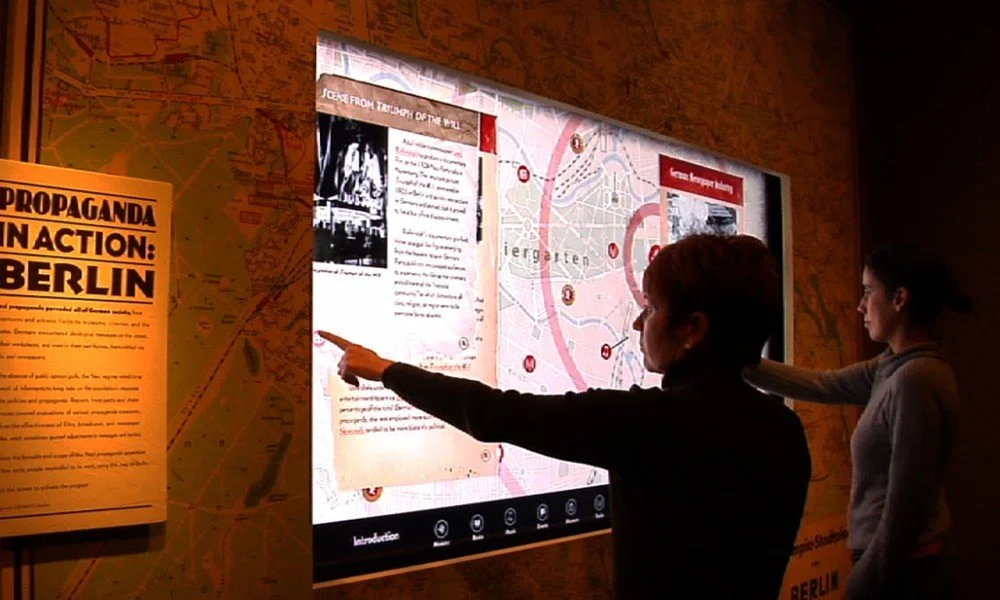
State of Deception: The Power of Nazi Propaganda is a major exhibition that explores the messaging and techniques of Nazi propaganda. It is through this kind of diverse, multi-sensory set of media experiences that visitors can gain a thorough understanding of the techniques and tools Nazis used to manipulate and shape public opinion.
The traveling exhibition have appeared in 195 US cities and 49 US states and in Canada, Croatia, Germany, Hungary, Israel, and Serbia bringing the history and lessons of the Holocaust beyond the Museum’s walls, reaching audiences from the smallest towns to the largest cities.
View the online exhibit
Jimmy Carter Presidential Library
Atlanta, GA
5 interactives
3 films
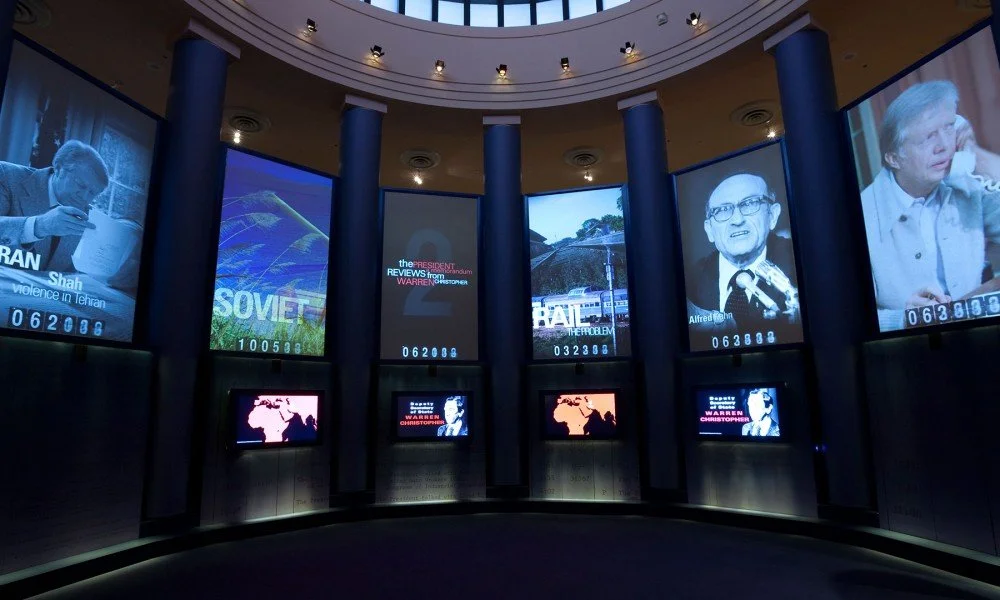
The Jimmy Carter Presidential Library and Museum in Atlanta chronicles the life and career of the 39th president. Its collection consists of approximately 27 million pages of Carter’s White House documents, half a million photographs, and hundreds of hours of film, audio, and videotape. The library was renovated in 2009, and when it reopened it featured two new signature films and three interactives produced by Cortina Productions.
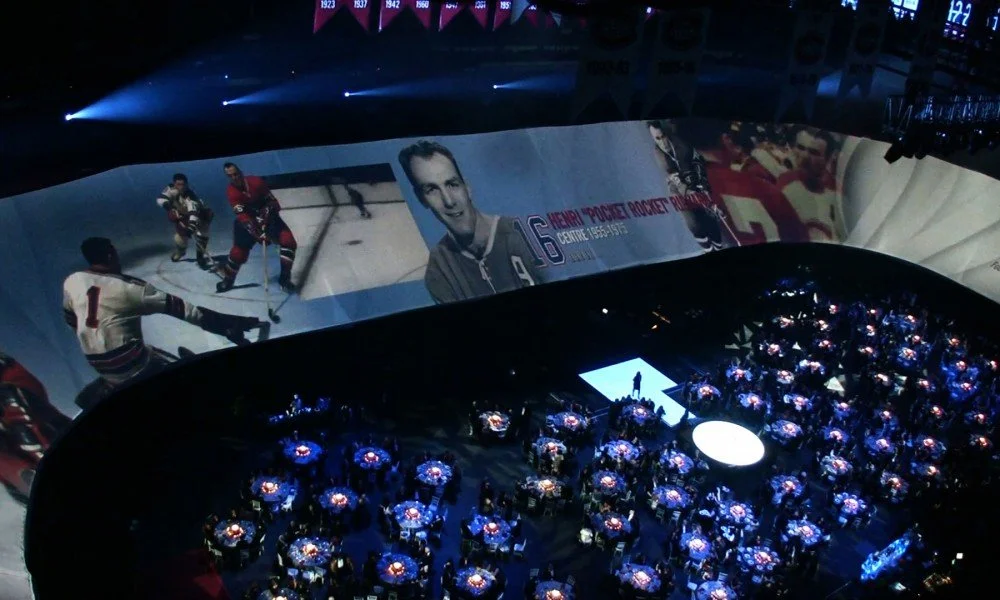
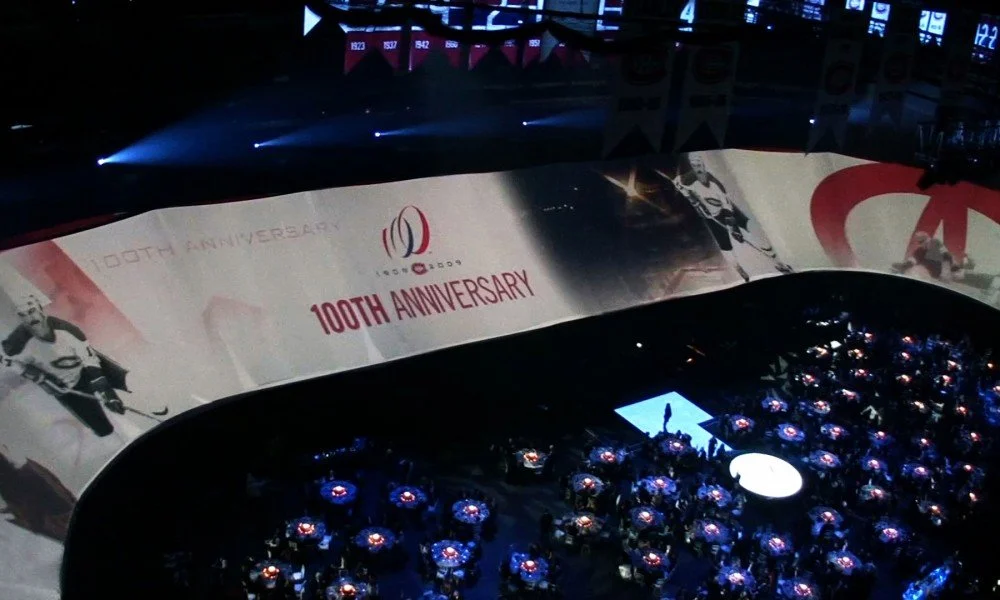
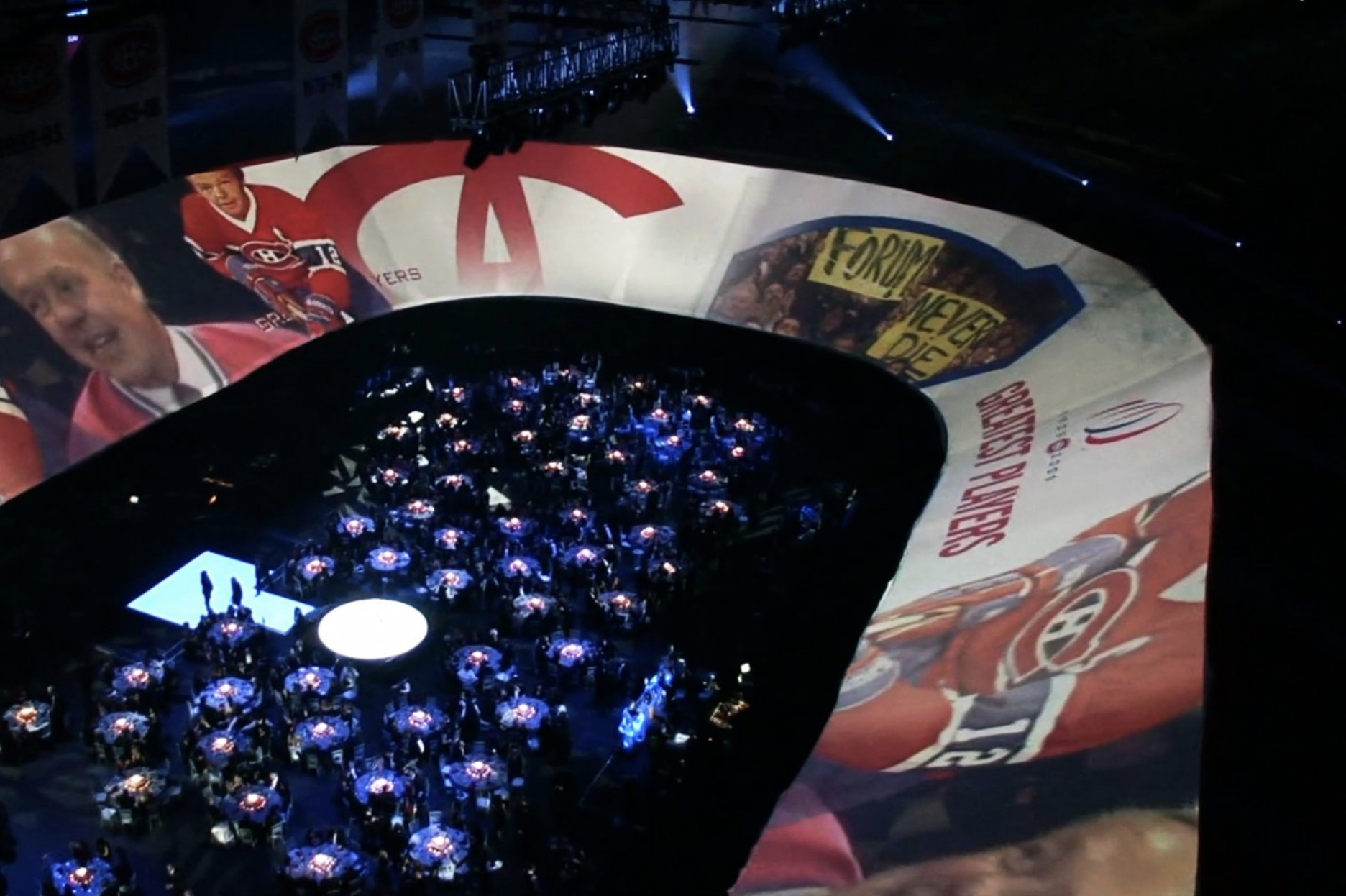
Montreal Canadiens 100 year anniversary film
The film celebrates the team's unparalleled success and the performances of its most renowned players. Audiences learn, for example, that the Canadiens had their first winning season in 1912-1923 and won their first of 24 Stanley Cups in 1916. The film also acknowledges the team's indelible ties to the city in which it was founded, and audiences are treated to images displaying the beauty of Montreal and its surrounding areas.
Documentary
Foundations of a Product Career in the pre-ux era 2008 Design Era
Accessibility as a default
Accessibility-first design treats generous targets, contrast, narration, and alternate inputs as standard practices so exhibits work for visitors of all abilities.
Spatial Awareness
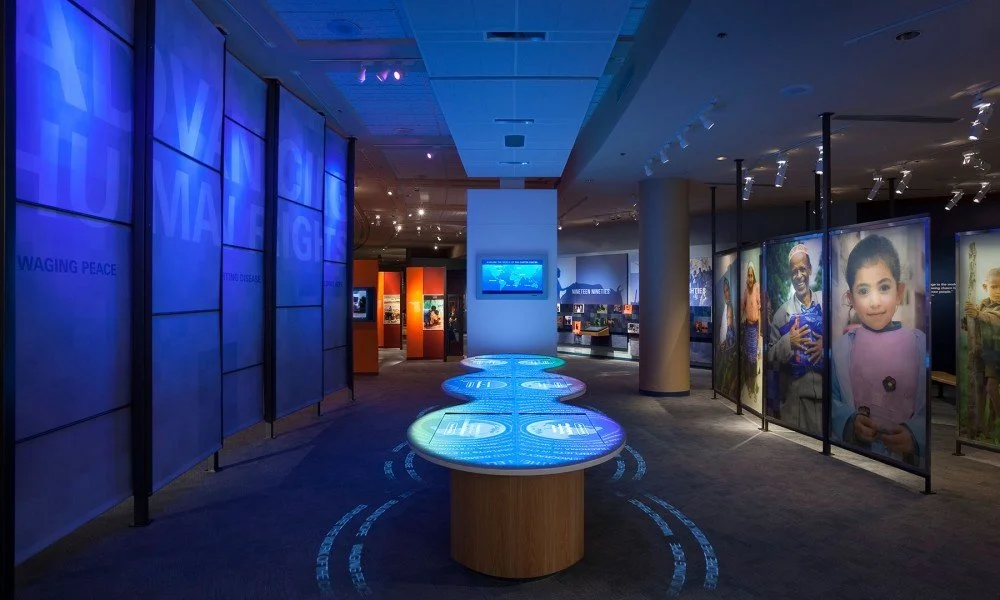
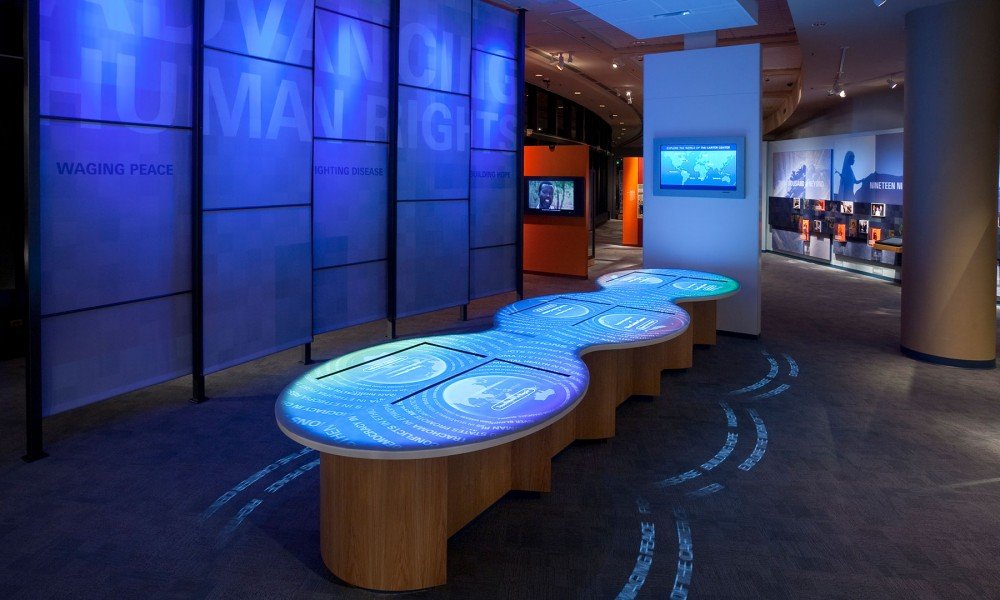
Effective interactives account for sightlines, reach, approach angles, and crowding so people can see, touch, and understand content within real-world galleries.
Technology in service of story
Screens, sensors, and media are intentionally understated so attention stays on the narrative, artifacts, and environment rather than the interface itself.
Instruction-free wayfinding
Interfaces rely on intuitive affordances, feedback, and progressive disclosure so visitors can navigate and learn without needing instructions or staff guidance.
Working inside a media studio that shipped films and interactives for major museums in the late 2000s meant building and organizing thousands of assets under tight constraints, an experience that established durable habits around systems thinking, narrative structure, and large‑scale content orchestration that continue to shape later product work.
Simplicity w/ technical constraints
Clear, forgiving interaction patterns and oversized touch targets reduce friction and error, keeping experiences usable even on inconsistent or legacy hardware
Unified physical–digital narratives
Digital media, objects, architecture, and environmental cues are designed as one system, creating a coherent visitor journey instead of isolated touchpoints.