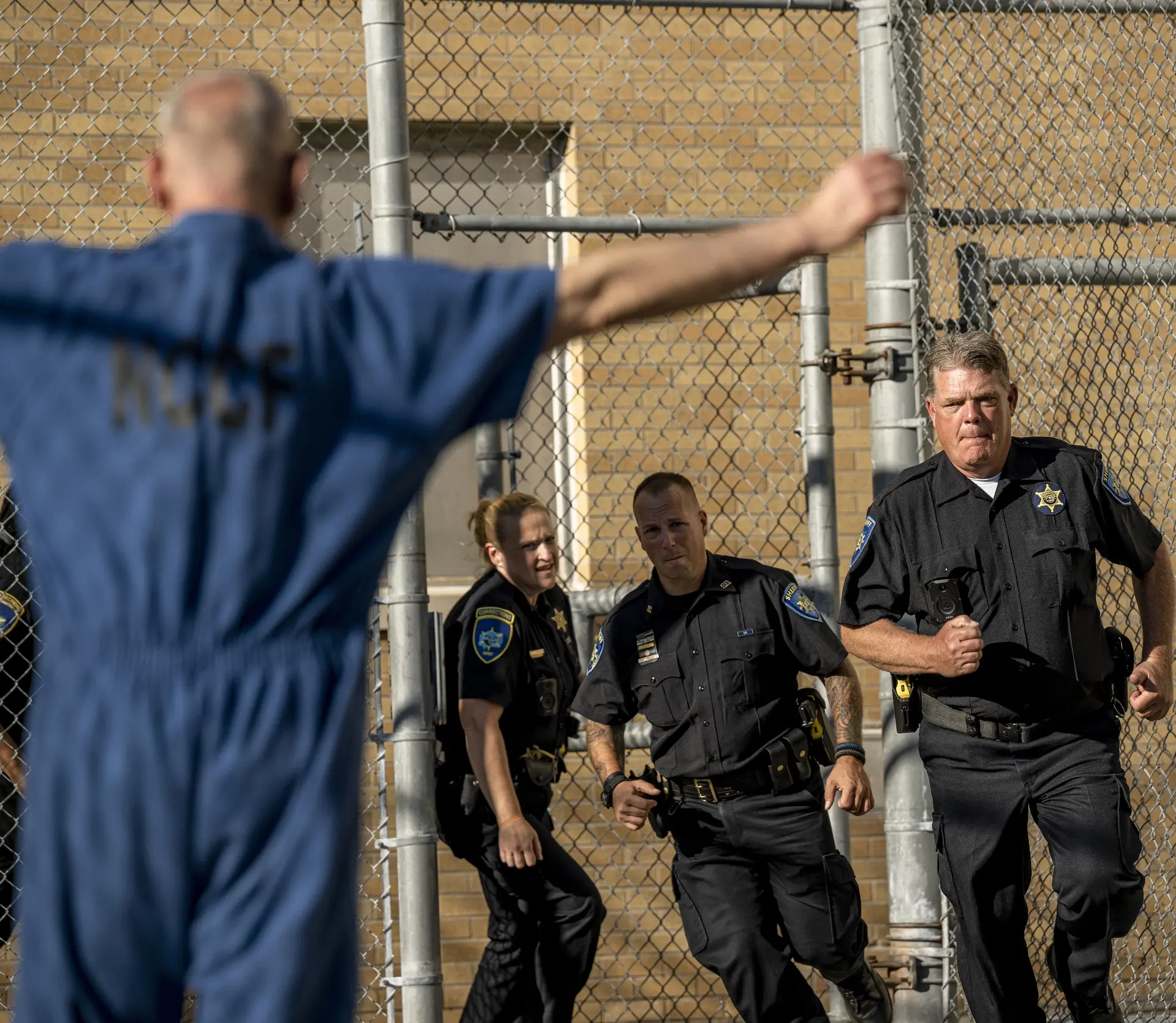
BODY-WORN CAMERAS FOR CORRECTIONS
FIELD RESEARCH + REQUIRMENTS DISCOVERY
Mission
Body‑worn cameras had already proven themselves in patrol policing: reduced use of force, stronger prosecutions, fewer false claims. Federal corrections wanted the same outcomes — inside dense, indoor, 24/7 custody environments that looked nothing like a city street.
Mission OverviewCATEGORY
– Public Safety Technology
– Federal Corrections
EXPERTISE
– Field Research & Contextual Inquiry
– Requirements Discovery & Collection
– Stakeholder Interviews
– Systems Mapping
– Technical & Policy Analysis
Establish as research foundation to understand the unique constraints of corrections environments for body-worn cameras and translate those insights into design and deployment requirements for patrol-designed technology.
Research in active custody environments.
Multi-site field research. Contextual inquiry and observational research during shift operations, housing unit rounds, intake/booking, medical escort, and incident response scenarios.
Shadowed corrections officers to understand workflows, pain points, and operational contexts.
Technical & policy analysis. Reviewed existing fixed camera infrastructure, recording capacity, metadata standards, and retention policies to identify integration requirements.
Mapped differences in metadata tagging, incident categories, ID systems, and software to anticipate data continuity challenges.
Dual-perspective stakeholder interviews. Engaged corrections officers, supervisors, investigators, compliance staff, IT teams, and facilities management to understand expectations, concerns, and needs.
Documented how patrol BWCs were assigned, docked, charged, and managed to predict corrections-specific workflow needs.
Both want cameras, but for different reasons.
Officers anticipated
– Transparency for leadership review and evaluation
– The "observer effect": reduced violence when cameras are visible
– Convenience of digital evidence versus manual report-writing
– Smarter analysis tools and data aggregation
– Efficiency in incident documentation and review
Inmates anticipated
– Officer accountability and abuse prevention
– The "observer effect": reduced inter-inmate and officer-on-inmate violence
– Medical documentation during health crises
– Sufficient monitoring during transport to/from court or medical facilities
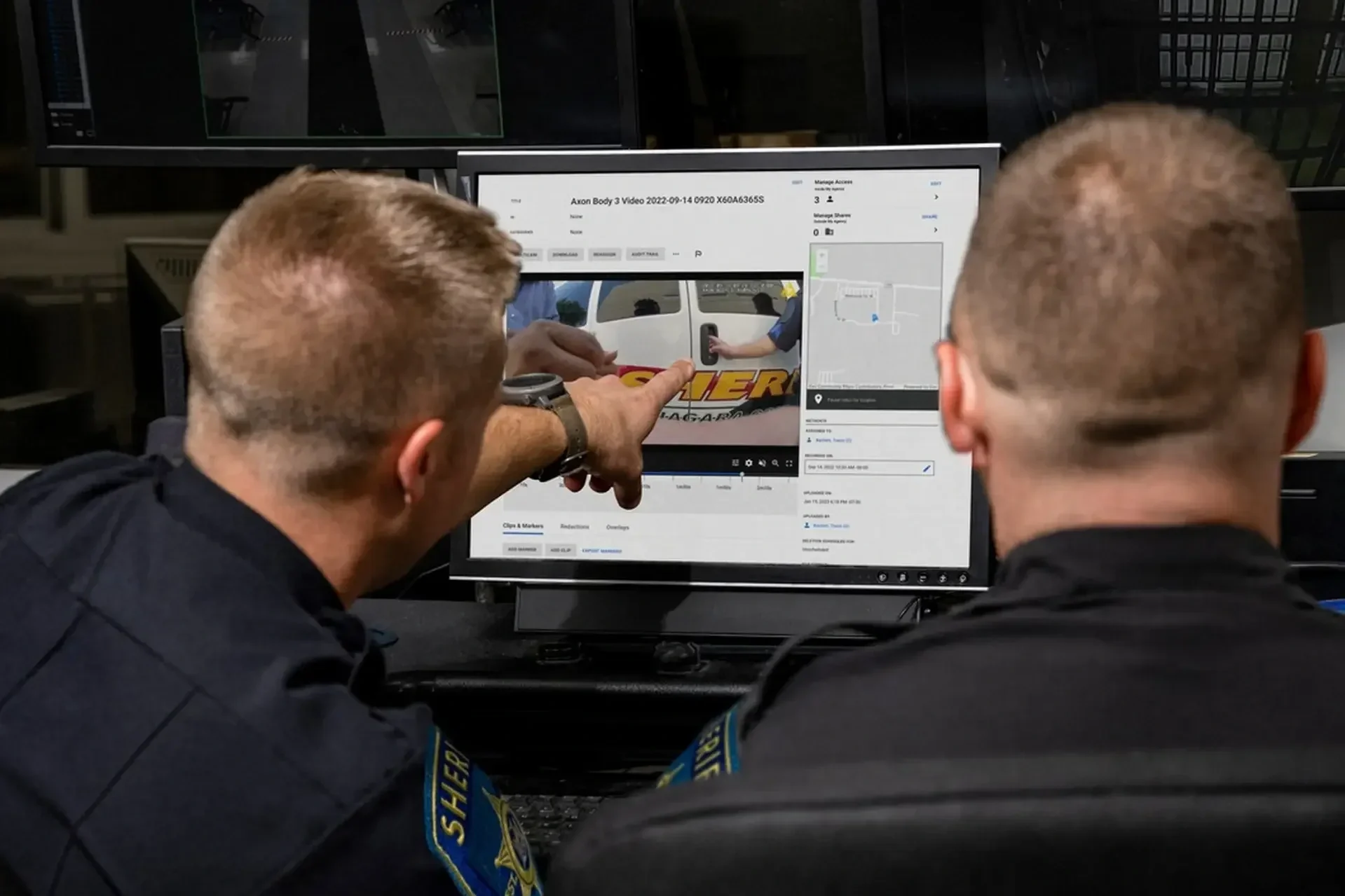
Operational Context: New Setting, New Problems
Antiquated fixed camera infrastructure
Hundreds of legacy cameras operated with no unified management system. Cameras were identified only by IP address and text labels with no map view or field-of-view indicators. Insufficient storage capacity, low frame rates without audio, and compliance gaps suggested body-worn cameras would need to integrate with or replace inadequate existing infrastructure.
Fragmented software & tracking chain of custody
Introducing body-worn cameras could create new gaps when individuals moved between arrest/transport and booking/housing, with video evidence potentially following the same fragmented path as other independant metadata tags, policies, procedures, and ID systems than Patrol.
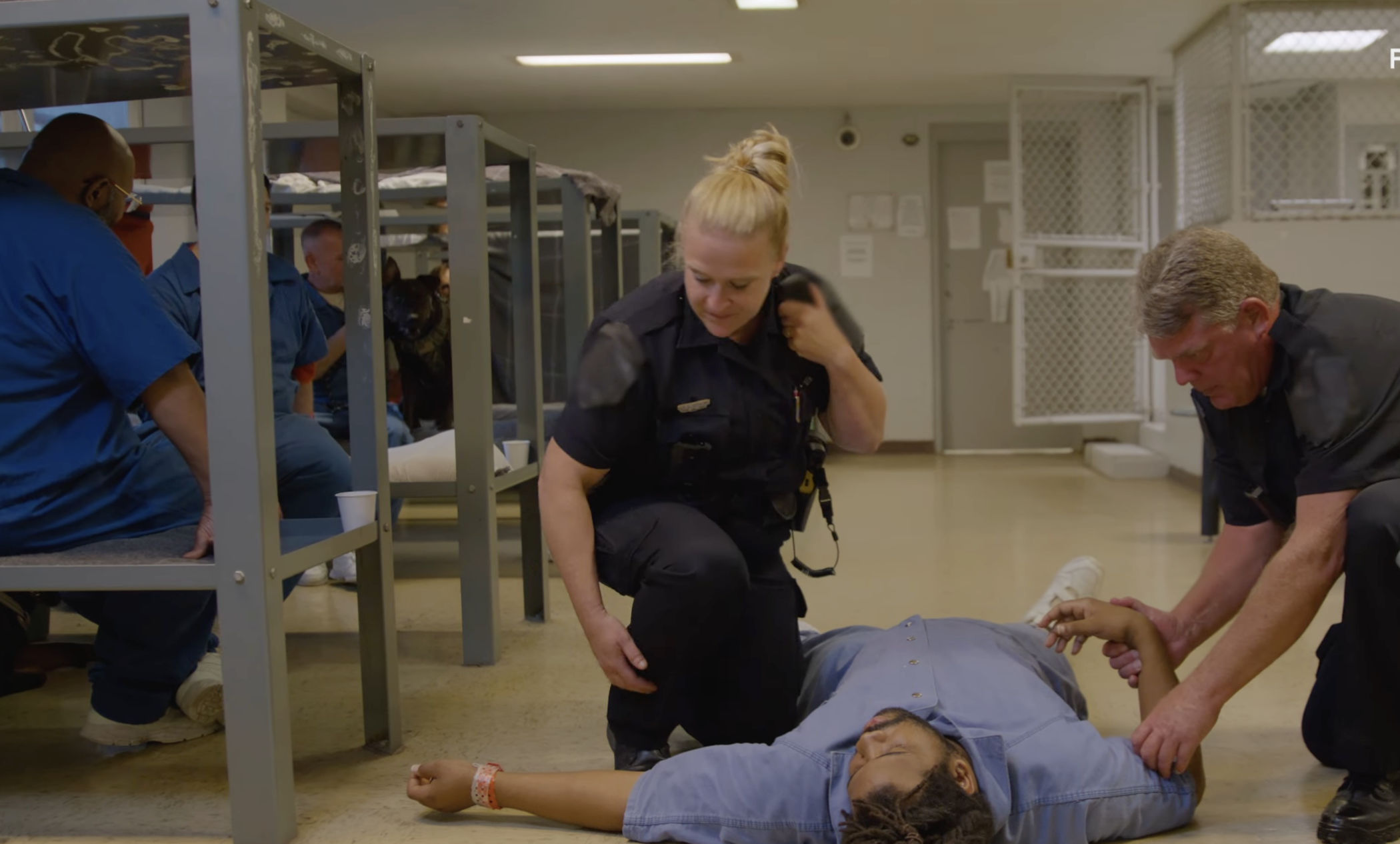
Overcrowded detention facilities pose unique challenges:
Outdated fixed cameras, fragmented software, bluetooth contraints in close quarters, jurisdictional complexity, and device managmeent during cross-department shifts.
Cross-department workflows could cause evidence misfiling
When Patrol officers worked overtime shifts in detention facilities, they might bring Patrol-assigned BWCs. Footage would potentially upload into Patrol's evidence instance. Investigators searching for jail incident footage wouldn’t be able to find videos because they were stored in the wrong system: a predictable failure mode requiring prevention.
Both officers and inmates would value cameras differently
Officers might prioritize transparency, the "observer effect," digital evidence convenience, and operational efficiency. Inmates might prioritize accountability, violence reduction, medical documentation, and transport monitoring. Understanding whether both groups saw cameras as safety tools rather than surveillance would be critical.
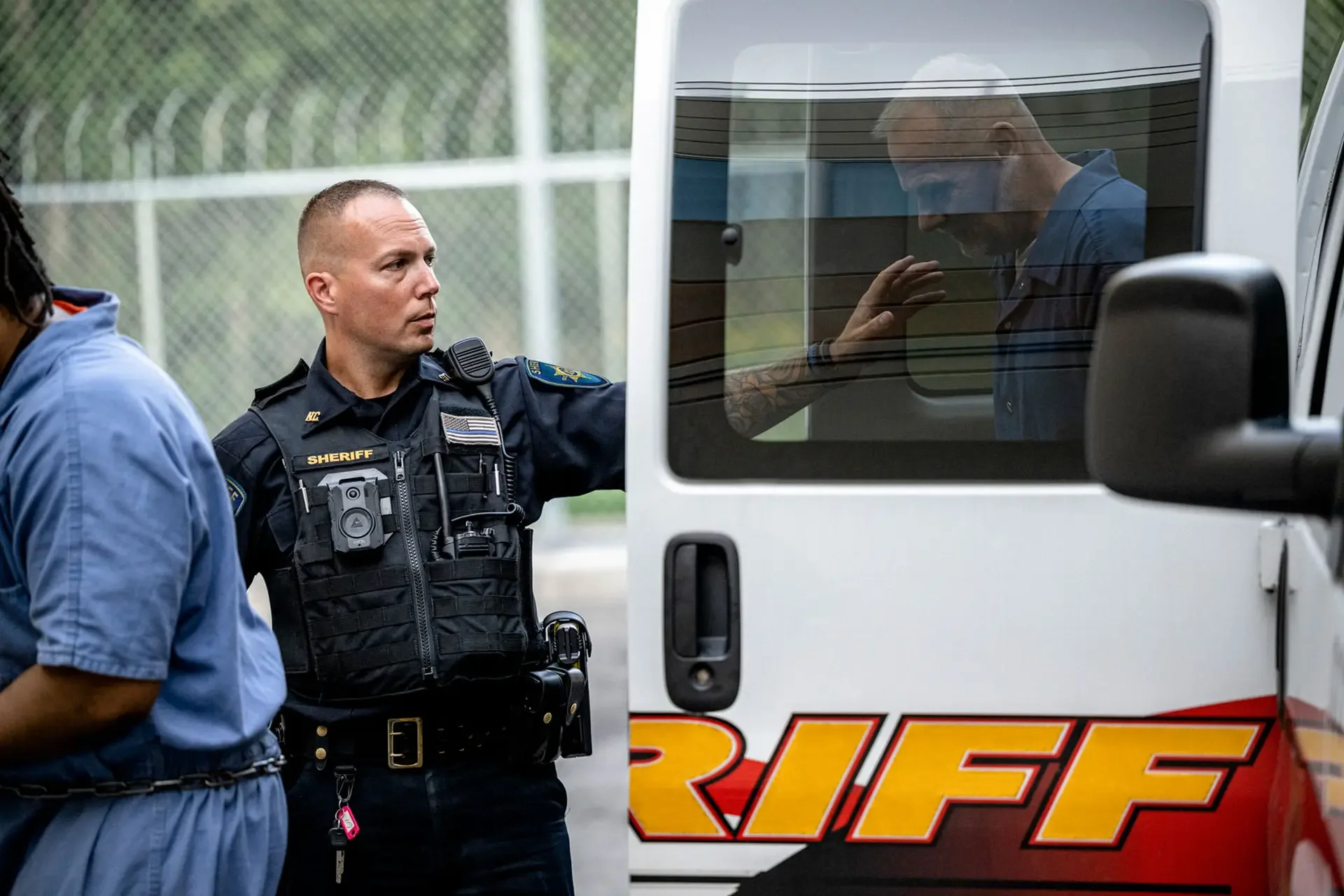
Transportation would be the highest-risk scenario
Inmate transport between facilities, court appearances, and medical appointments represented moments of maximum vulnerability. Limited oversight, confined vehicle spaces, and transition points between custody environments created conditions where incidents were most likely to occur and least likely to be documented. Body-worn cameras would need to function reliably during these critical movements.